Irish Civil War
The Greatest Beer Run Ever: A Memoir of Friendship, Loyalty, and WarThe Irish Civil War is recalled not through a battle scene but through the concealed early history of John McGahern’s father, whose passage from the Irish Republican Army into the new Garda Force joins the conflict to the making of the state that followed it. For years, the son knew that his father had fought in the war but knew none of the details; the retrospective discovery of an official file gives that silence a concrete outline while leaving much of the experience unrecounted.
Background and Wartime Service
The father attended the Latin school in Moyne into the ninth or tenth grade, the equivalent of secondary schooling. According to the sequence John McGahern reconstructs from his father’s application, he went directly from the school into the Irish Republican Army and then into the new Garda Force when the Civil War began. The application’s entry for previous work experience records three years in the IRA. The memoir gives no account of the father’s particular military actions or the circumstances of his departure from the organization.
A Fighter on the Run
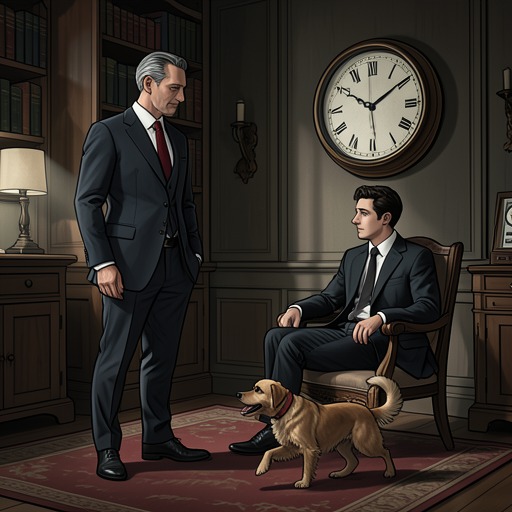
A story told by the father’s cousins supplies one vivid glimpse of his time in the IRA. While he was on the run, neighbours saved hay for his mother because it was too dangerous for him to be seen near the house. During the work, on a hot day above Lough Gowna, he appeared without warning in a tailored suit, white shirt, tie, and new shoes. He took up a pitchfork and worked alongside the neighbours until nightfall, then left as suddenly as he had come.
The cousins remembered not only his unexpected arrival but his refusal to take off his jacket or loosen his collar and tie in the heat. They admired his authority and appearance, describing him as a young lord turning up at a barn dance, while also finding his stance and vanity striking. The episode makes his clandestine status visible through a reversal: a man too endangered to be seen at his mother’s home nevertheless steps into the hayfield, works openly among neighbours, and departs before the danger can be explained.
From the IRA to the Garda Force
After his father’s death, John McGahern obtained the complete Garda file from the curator of the Garda Museum. It described an outwardly honourable, undistinguished career and recorded that the father belonged to the first intake of recruits when the state was founded. He won immediate promotion. The handwritten application was especially revealing because its brief disclosure of three years in the IRA contradicted the son’s long experience of not hearing his father speak about either the war or his role in it.
A later visit to Carrick-on-Shannon gives the conflict a physical landmark in the family’s history. The family passed the large stone barracks by the bridge, where the father had arrived as a young sergeant when the Civil War was ending. The barracks therefore marks the other side of the transition recorded in the file: a former IRA member serving as a sergeant in the state’s police force. The memoir does not fill in the intervening years with a detailed account, instead setting the official record beside the remembered silence.
Retrospective Meaning
The war’s significance in this account lies partly in what could be recovered only after the father’s death. John McGahern had known that his father fought, but the father never discussed the war, his early life, or his part in the conflict. The Garda file and the cousins’ hayfield story offer distinct kinds of evidence: one is an official document in the father’s own hand, the other a family recollection of his sudden appearance while on the run. Neither opens the history fully, but together they establish a route from school to the IRA and then to the new police force.
The episode also connects the father’s personal secrecy to a larger change in public authority. His career crossed from armed republican service into the institutions of the new state, while the old wartime past remained largely unspoken within the family. By placing the stone barracks, the application form, and the remembered hayfield beside one another, the memoir makes the Civil War legible as both a political transition and a buried family history.